

 Ru
Ru En
En

In the Russian language, the word ‘scaffolding’ is inextricably linked with construction. Scaffolding is an auxiliary temporary structure erected to safely place workers, tools and materials at any height during construction and installation. Originally, scaffolding was made of round or treated logs, hence its name in Russian. When construction was completed, it was dismantled and never reused again. The cost of such scaffolding was as high as 4 per cent of the total building cost. Modern scaffolding can be assembled and disassembled several times, which significantly reduces construction costs.
In English the word ‘scaffold’ came from Old French and literally meant ‘erected platform’ or ‘stage’. In turn, the word came into Old French from Latin, where it meant literally ‘erecting a tower’.
For thousands of years man has built colossal monuments and structures, some even today would be a challenge to many engineers and builders. Some historic projects would have been considered challenging even with modern equipment and technology. Many historic structures were built thanks to the first scaffolding: supporting scaffolds and winches. The scaffolding on some ancient structures was extremely strong and could withstand unprecedented loads.
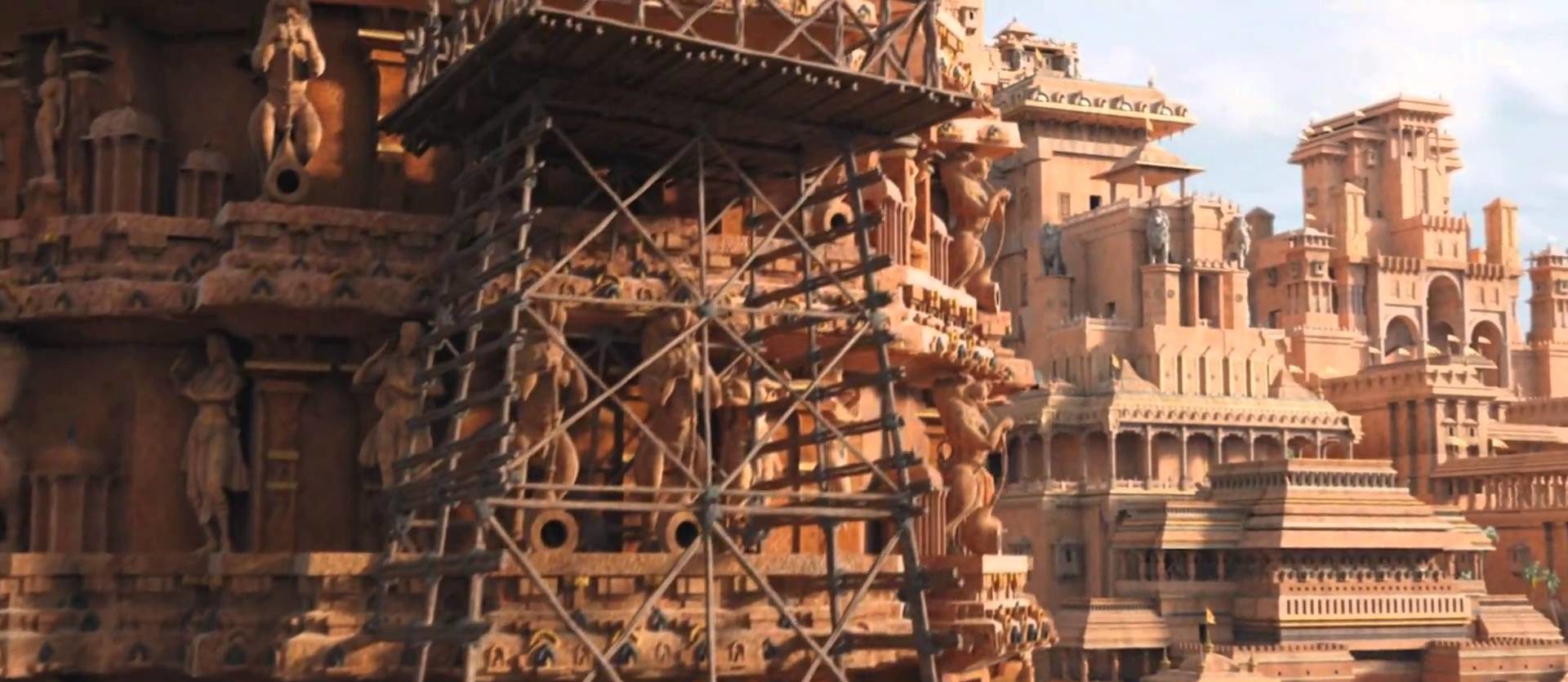
The architectural designs of many of the great Cathedrals of the Middle Ages, such as arches and domes, required complex scaffolding structures. As early as 2000 BC, the builders of the Egyptian pyramids used scaffolding capable of supporting the load of giant stone slabs. All over the world we find evidence of the use of scaffolding by ancient civilizations.
Pyramid texts and images on tomb walls tell us that scaffolding systems were used at the very beginning of architectural history. Some of them are clear illustrations of the work of ancient masons and fitters. Many museums hold images that show people working on scaffolding.
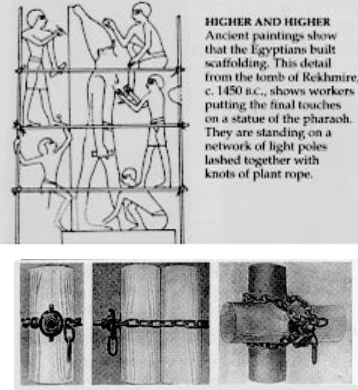
For example, wall paintings in the tomb of Rehmer, dating 1450 BC, show not only the scaffolding structure, but also how the work was done. One of the frescoes depicts an assembler standing on wooden scaffolding that had been erected around a statue of the pharaoh. The height of these wooden scaffolds, based on a man's height, is up to 6-7 meters.
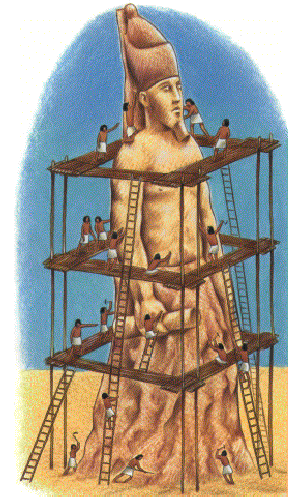
Up until the 19th century, this method of scaffolding attachment was common in Western countries: scaffolding elements were attached to the structure by placing additional slats into holes in the walls of the building.
The civilizations of the Far East were also developing scaffolding design methods. Today, India and China are among the largest scaffolding manufacturers in the world. Scaffolding was already widely used in construction throughout the Asian region during the times of Ancient India and Ancient China. The main material used for scaffolding was bamboo.
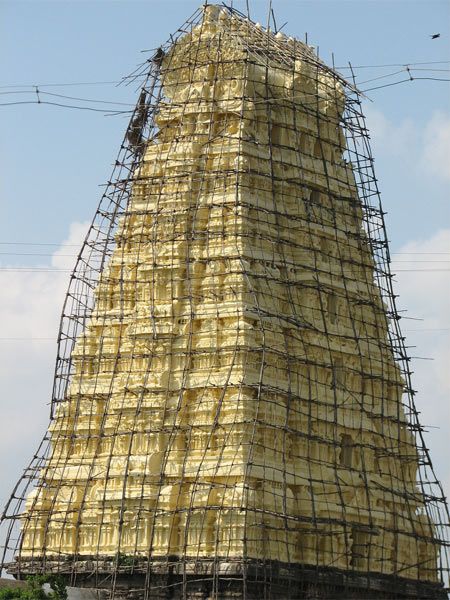
It is interesting to note that bamboo scaffolding is still widely used in China today, and the methods of installation have not changed much over time. Only the way of attaching the elements to each other has been changed. Synthetic ropes and steel wire are now used instead of ropes made of bamboo fibers. Bamboo has great strength and flexibility, making it able to withstand the impact during floods and typhoons.

Scaffolding in Europe for a long time was exclusively wooden. To increase their strength and load-bearing capacity, Daniel Palmer-Jones, founder of the renowned British scaffolding manufacturer SGB, designed a steel chain to fasten the wooden beams together. This chain fastening was patented and introduced into the British construction industry in 1909. At the time, this new method of fastening was recognized as the most innovative and was used for some large-scale projects such as the construction of Buckingham Palace in London.
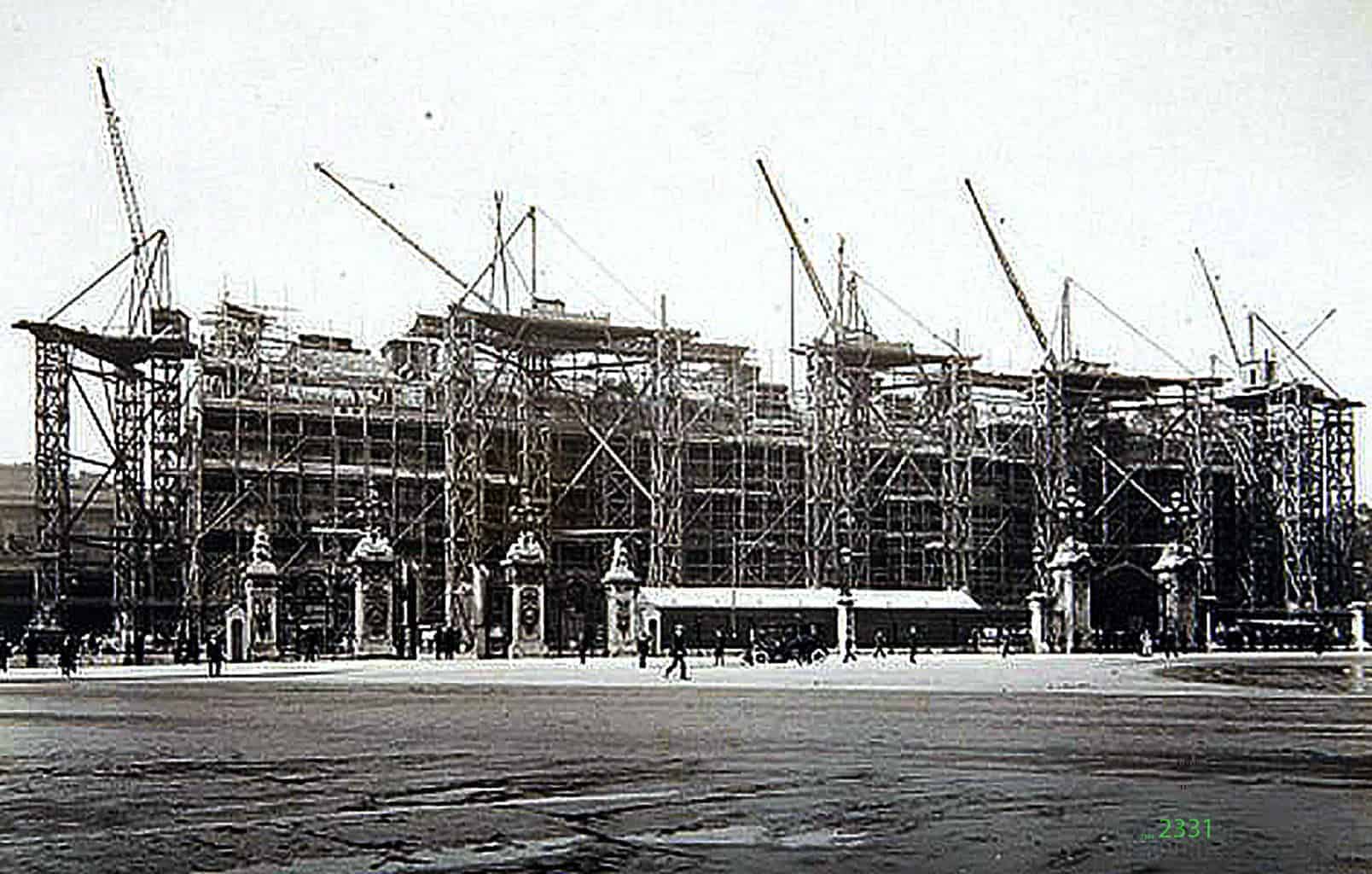
Although already in 1895 there were experiments to create steel tubes for scaffolding, it was not until the beginning of the twentieth century that steel scaffolding technology began to actively develop. The first steel scaffolding was introduced in the UK in 1910. However, wooden scaffolding was universally used until the 1940s.
The scaffolding industry has experienced explosive growth over the past 130 years. Today, the manufacture, sale, rental and installation of scaffolding is an important sector of the global economy, without which it is impossible to imagine the modern world. The development of the scaffolding industry is primarily due to the Industrial Revolution and the unprecedented construction boom that was fueled by the global explosive population growth of the period.
Other drivers for the growth of the scaffolding industry include stricter health and safety regulations and the proliferation of steel scaffolding structures, which were cheaper and easier to use.

Our expert will contact you soon