

 Ru
Ru En
En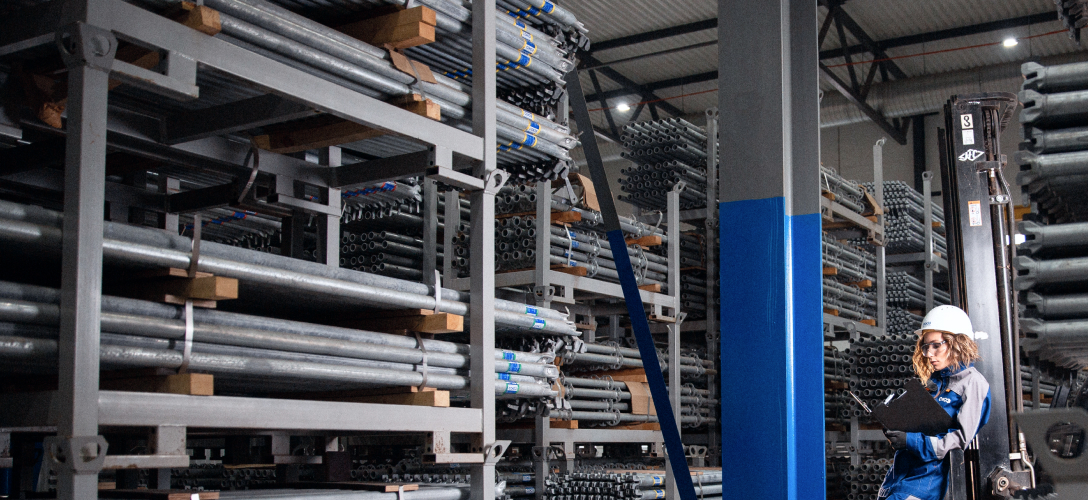

The introduction of metal tube scaffolding has evolved not only scaffolding structures, but also couplers and other auxiliary elements. This made it possible to improve the safety of tube steel and aluminum scaffolding. From the early nineteenth century, several patent applications were made in the UK for various special fasteners to be used for the erection of tube scaffolding.
A steel chain fastener that could be used to connect wooden beams was also patented. Many new design ideas for tube scaffolding were proposed between 1895 and 1925. Some innovative ideas were put forward by famous engineers of the Industrial Revolution era.
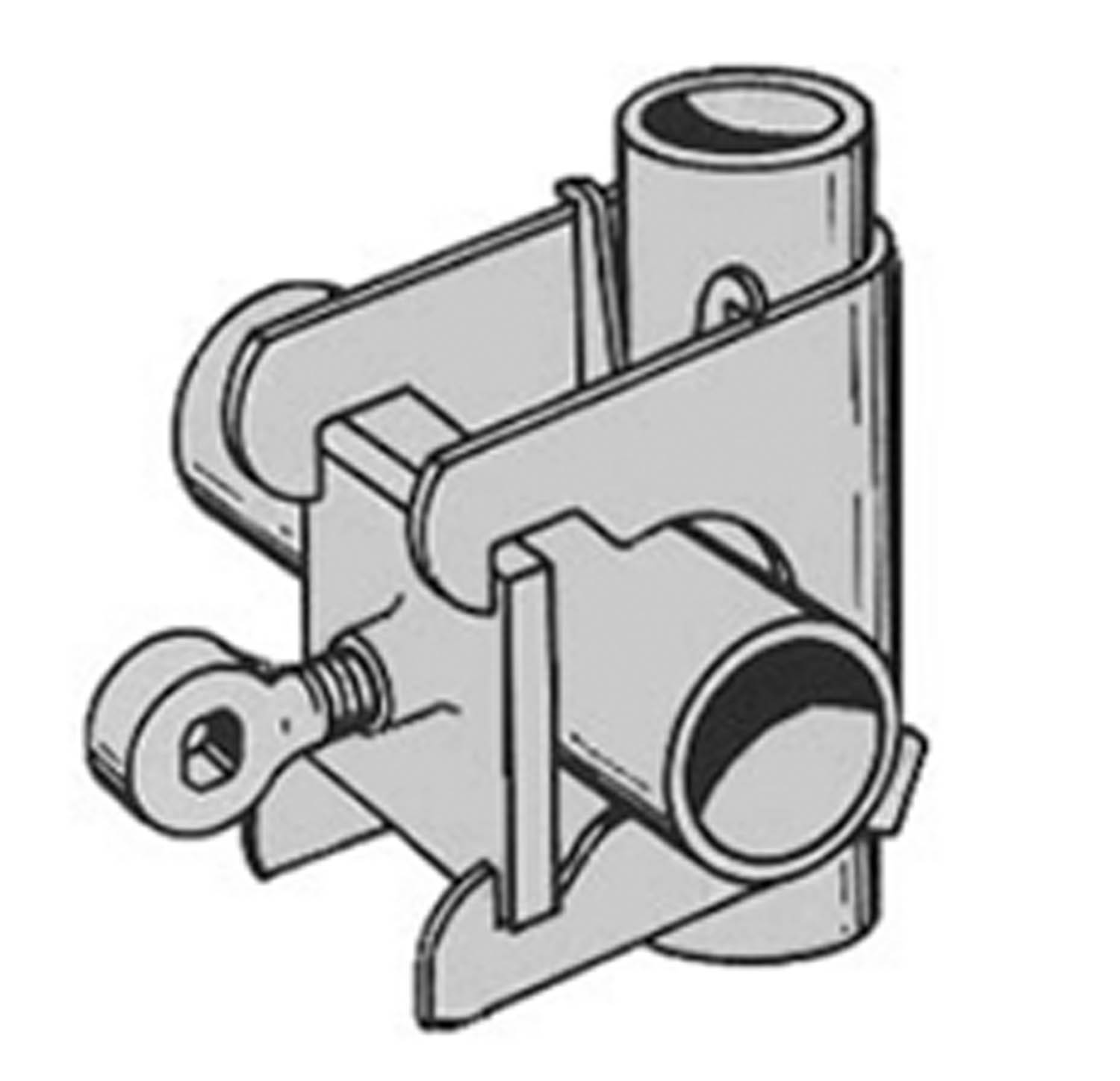
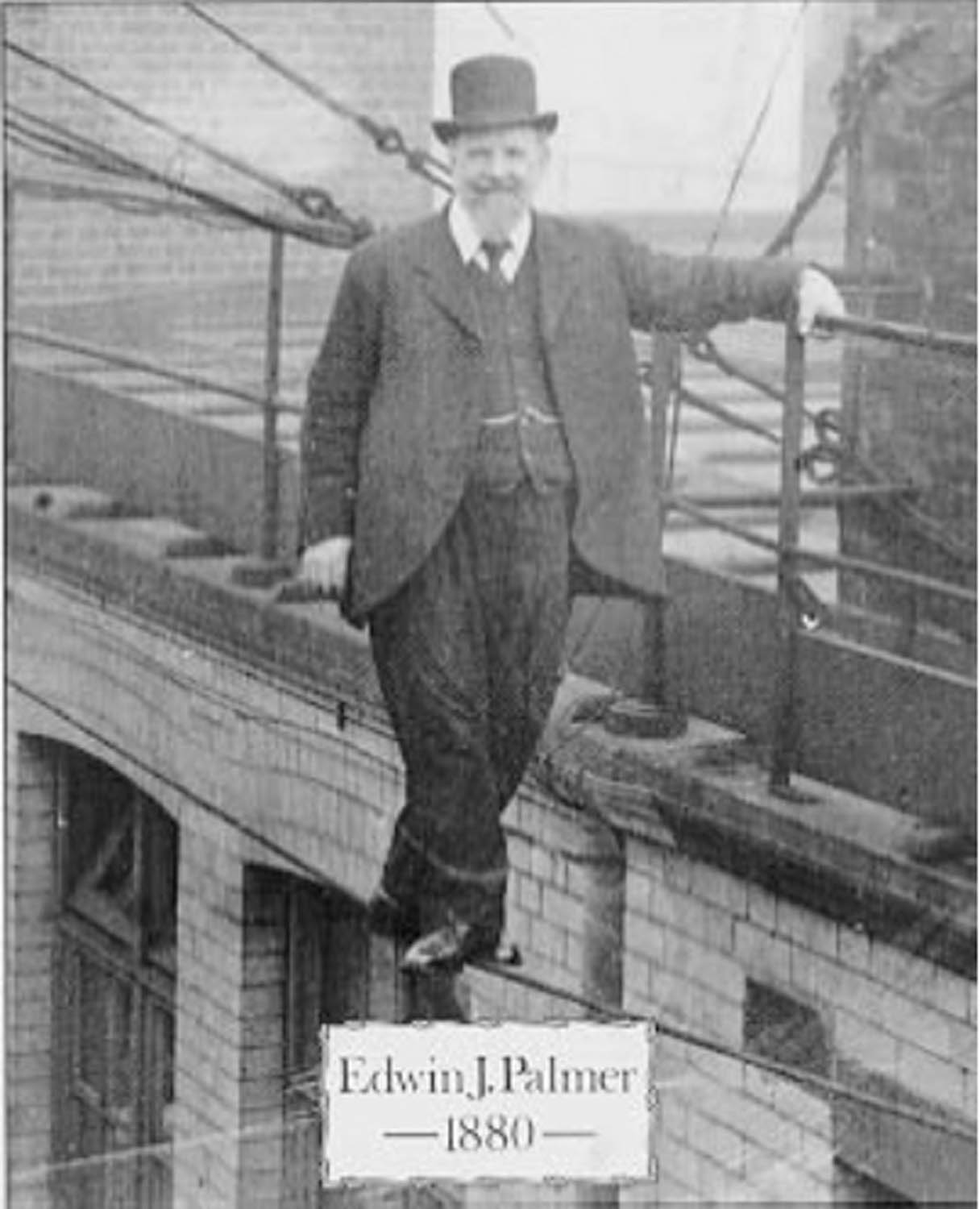
The first coupler to be used successfully on construction sites was designed in 1906 in England. In 1916, the one-size-fits-all scaffolding coupler was patented by Daniel Palmer-Jones, one of the founders of the famous British scaffolding manufacturer SGB.
The early design of the one-size-fits-all coupler, which appeared in 1906, has undergone various alterations and improvements. This fastener was a three-piece retaining coupler consisting of a forged body called a strap, a screw with a plate, and a recess for retention. The coupler has been widely recognized throughout the scaffolding industry. This coupler could be effectively used for any rectangular joint as well as for the parallel connection of any two tubes. The unique strap design allowed the diagonal brace to be attached to the ledger. In addition, the strap and plate could be used as a coupler for the cross tubes of the working level (transom). It is because of its multi-purpose capabilities that this coupler has come to be known as one-size-fits-all coupler.
In the early days of metal scaffolding, couplers were used to connect two 2 inch (50 mm) diameter steel water pipes. They were used until it was replaced by a tube specially designed for scaffolding. Another scaffolding fastener that was designed by SGB around the same time as the one-size-fits-all coupler was the DH coupler. It was so named because it worked well for both joining two tubes diagonally (D) and horizontally (H).
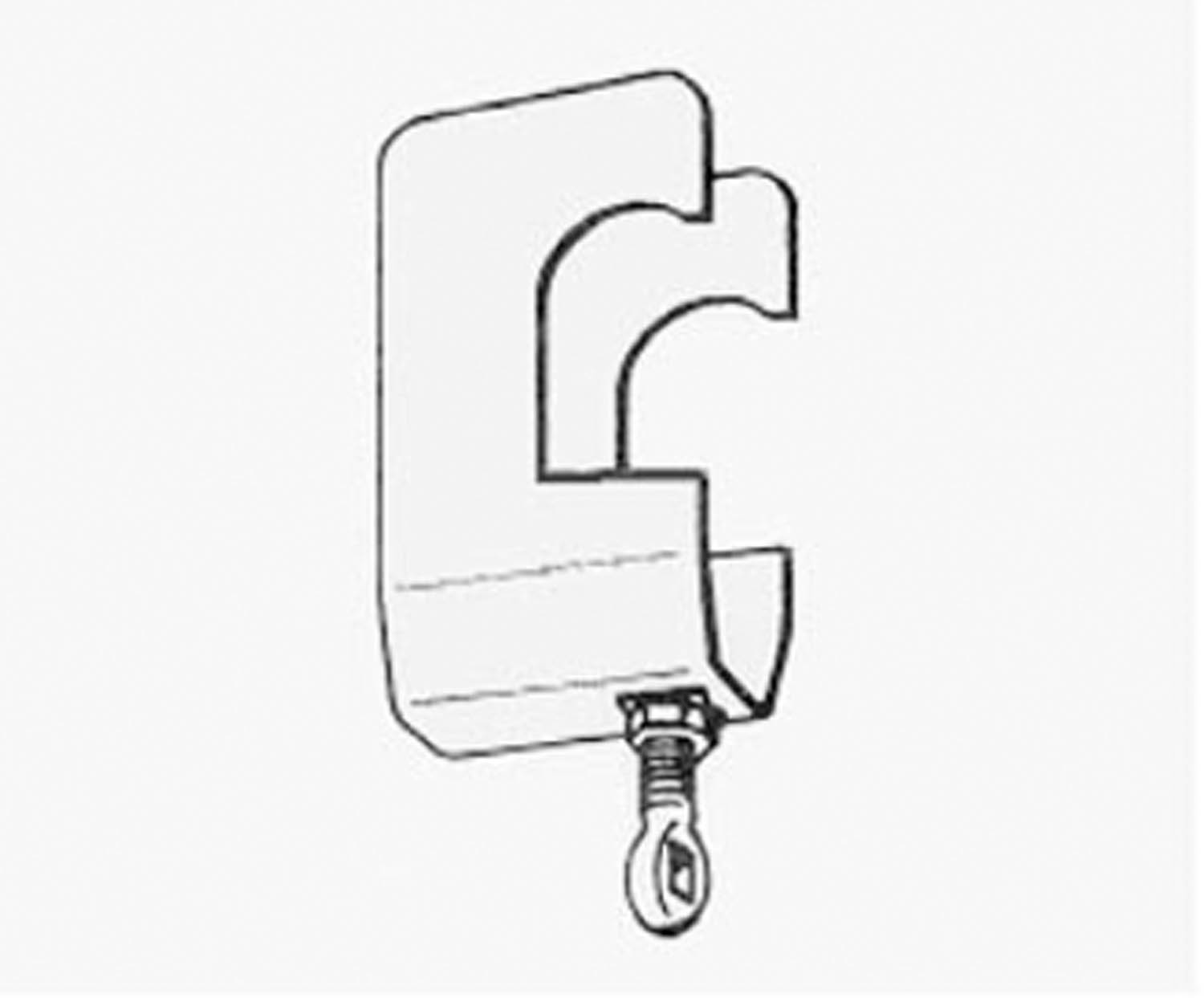
In 1906, Daniel Palmer-Jones and David Henry Jones started their own scaffolding company, which was renamed Tube Scaffolding around 1920. By 1922, this company was again renamed Scaffolding (UK), which is now known worldwide as SGB. The small firm became the world's largest scaffolding company. By the late 1920s, steel scaffolding began to appear elsewhere in Europe and in the United States.
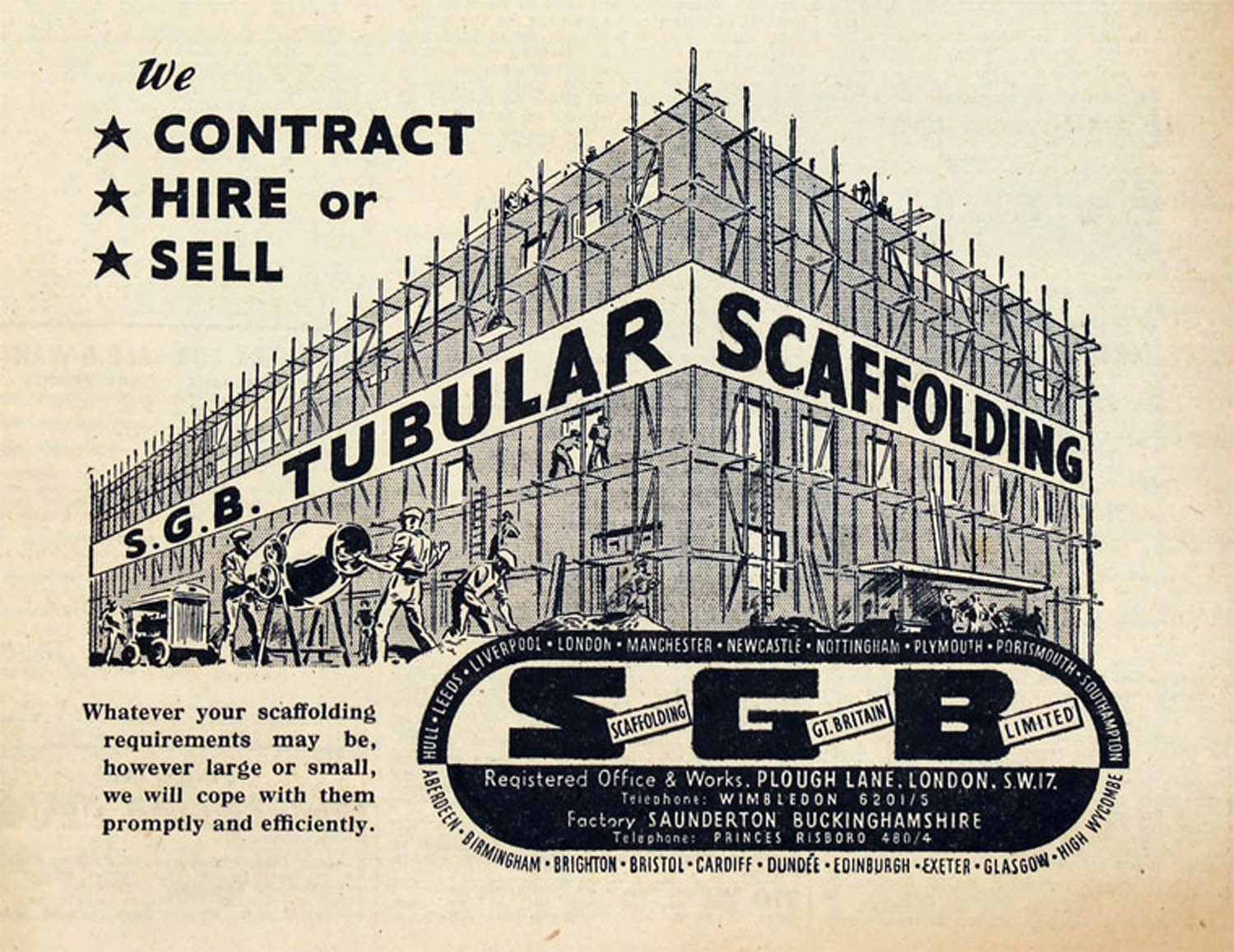
It was then that the standards by which scaffolding is still manufactured today began to emerge. Most steel and aluminum alloy tubes in use today have an outside diameter of 1.90 inches (48.3 mm), and most steel tubes are galvanized. New high-strength steel tubes that have come to be used for scaffolding are lighter and stronger than the black steel water pipe that was used back in the early 1900s.

Our expert will contact you soon