

 Ru
Ru En
En

Today we cannot imagine our lives without high-rise buildings, the products of giant petrochemical plants, and the heat of nuclear power plants. But we rarely think about the fact that the construction of all these facilities would not be possible without scaffolding. Scaffolding invented in ancient times has travelled with mankind the whole journey of its development from two-storey clay buildings in Mesopotamia to space centers of the XXI century. It is invisible to regular folks, but indispensable for the industrial development of the Planet.
In this article, we would like to share ten interesting facts about scaffolding.
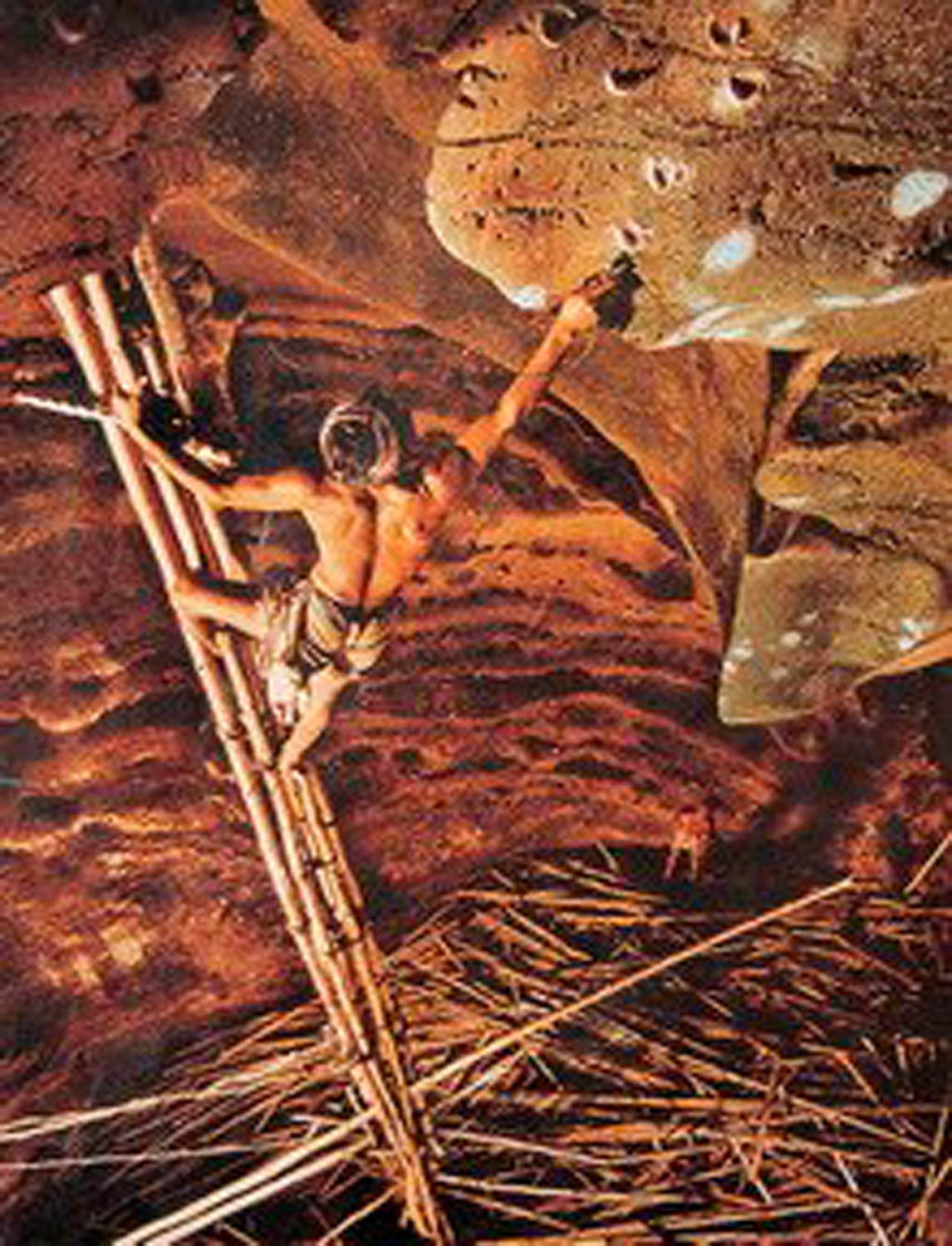
FACT 1. According to archaeological excavations, the first scaffold-like structures were used as early as the Paleolithic period to draw on cave walls.
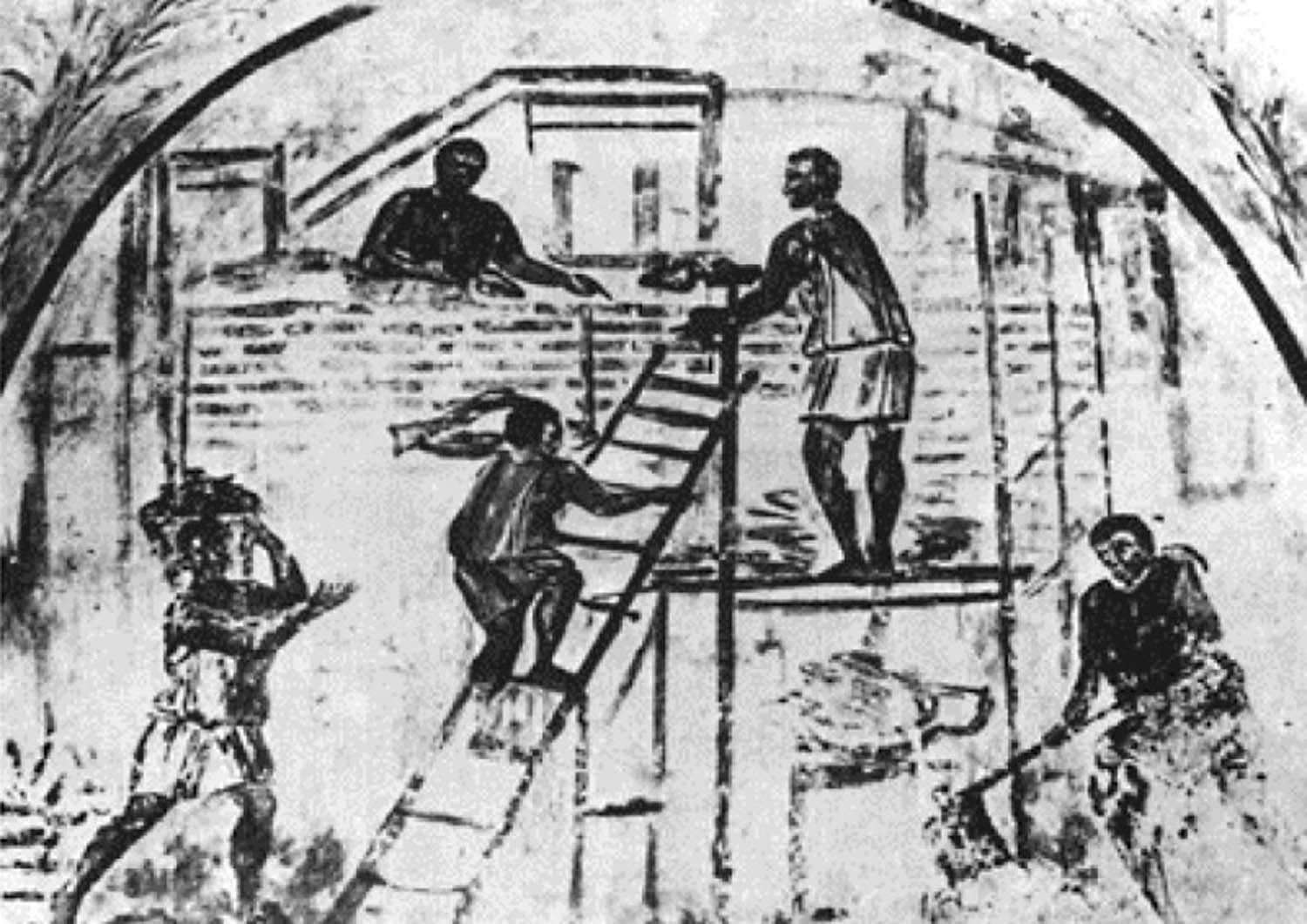
FACT 2. It is believed that the first scaffolding was invented in the civilizations of the Ancient World. This is evidenced by Ancient Greek amphorae, dated XV B.C., depicting the process of construction of the statue using scaffolding.
FACT 3. In Asia, scaffolding was not made from wood but from bamboo, which has unique flexibility, stability and load-bearing capacity. Many Asian construction sites still use bamboo scaffolding today.
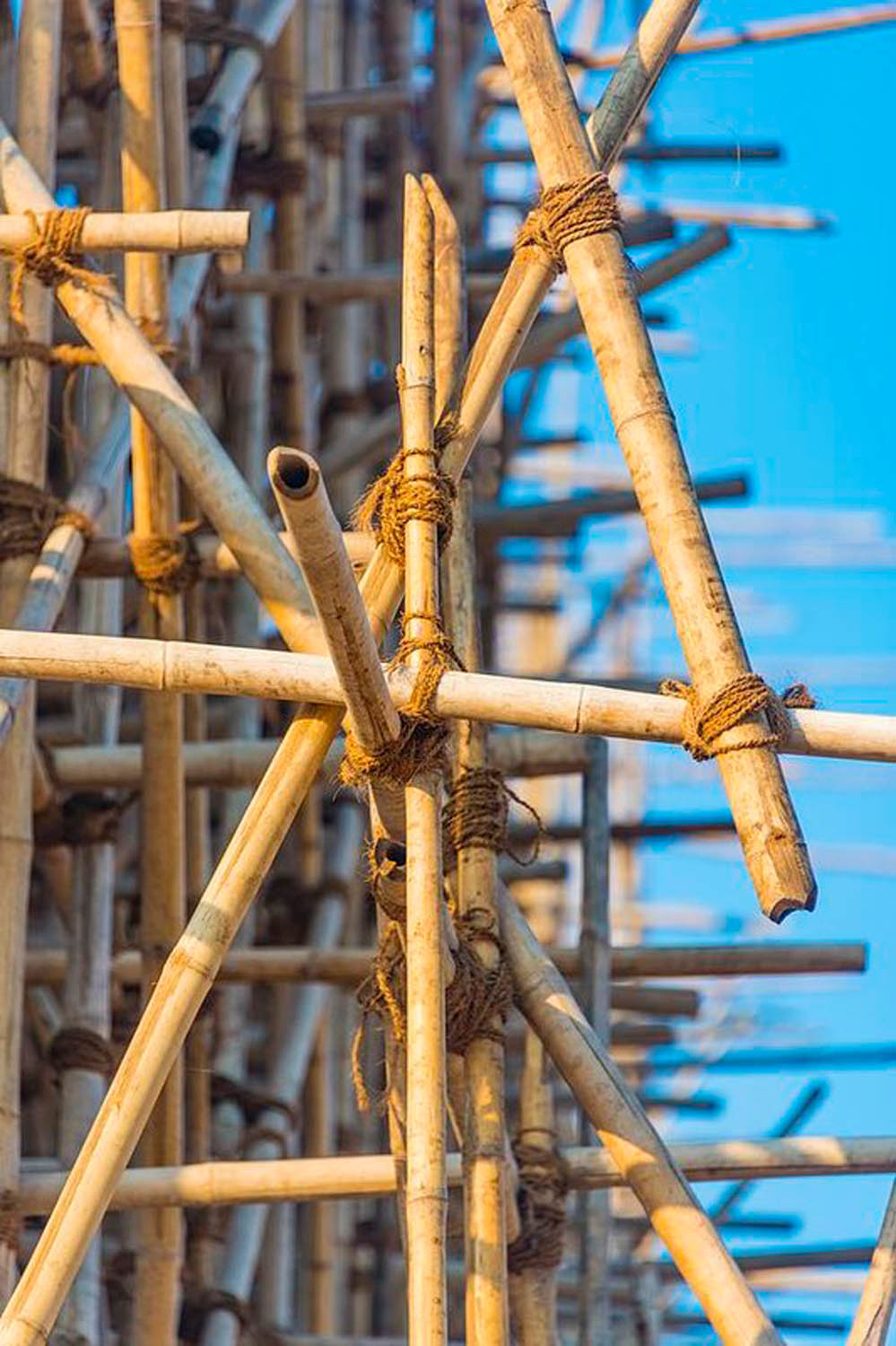
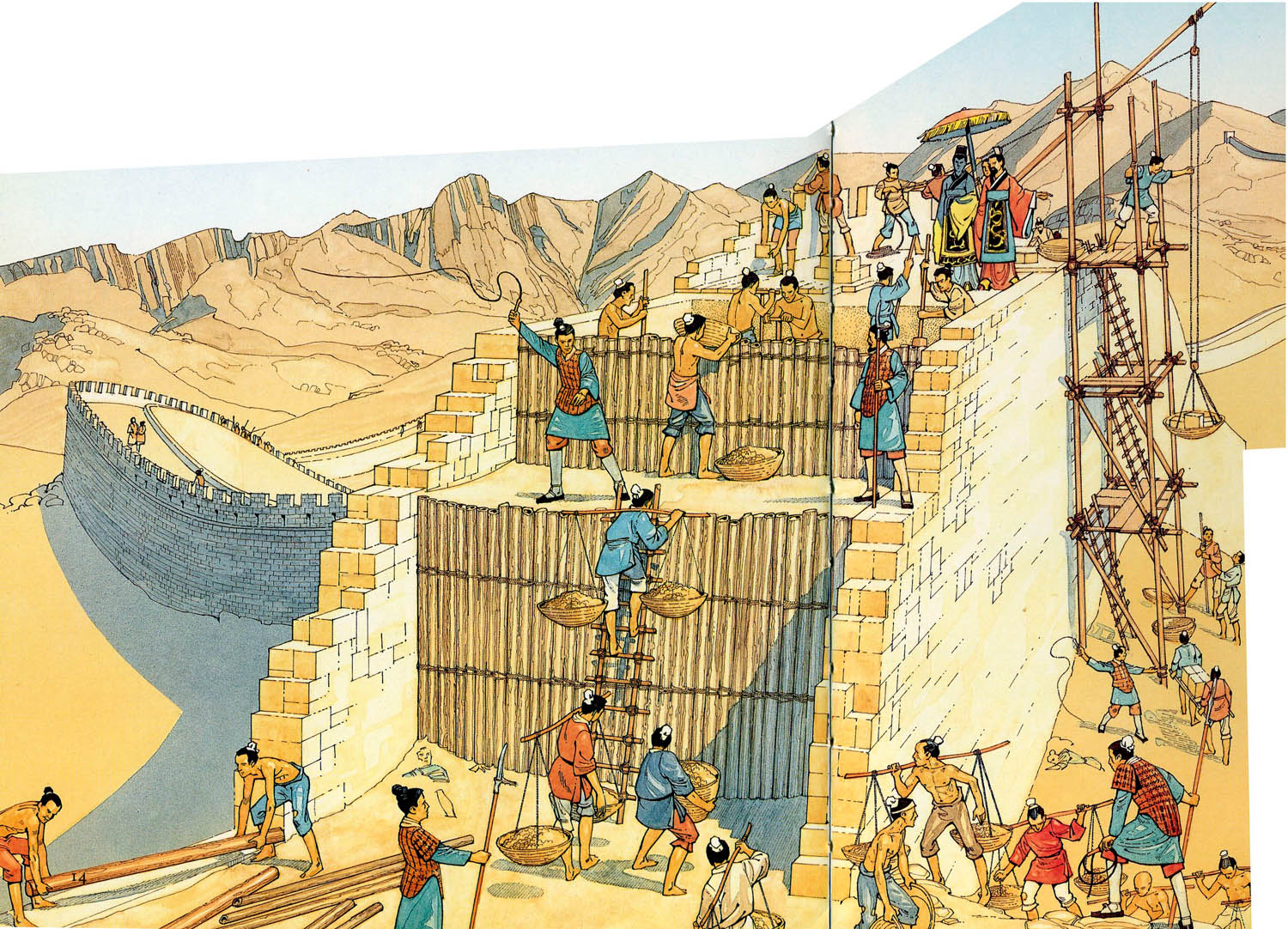
FACT 4. The Great Wall of China, one of the largest structures in the ancient world, was built using bamboo scaffolding.
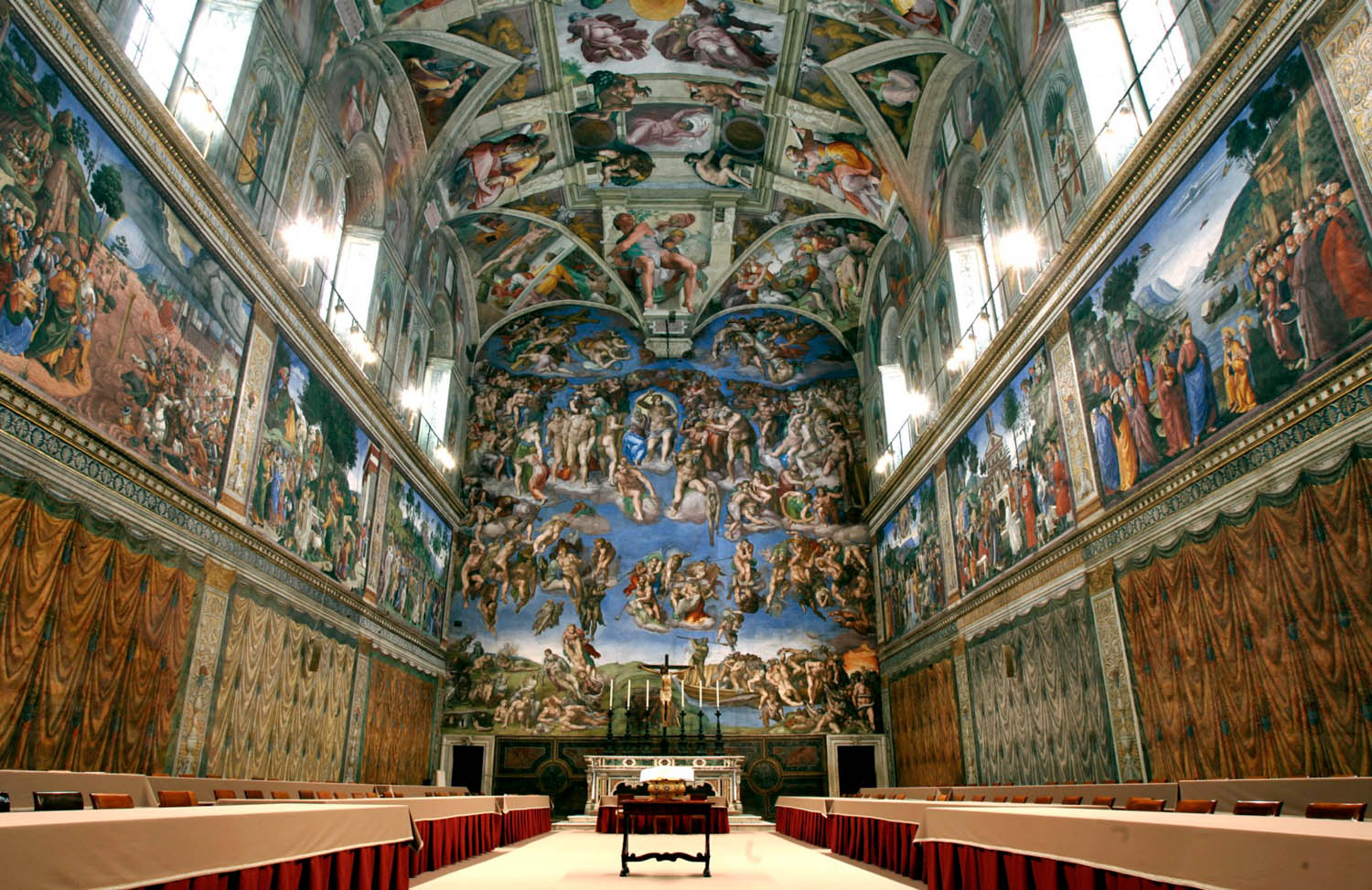
FACT 5. One of the best scaffolding designers is considered to be the renaissance artist Michelangelo Buonarroti. When working on the painting of the Sistine Chapel in the Vatican, the master also had to figure out how to set up a workplace at a height of 21 meters, and constantly bring tools and materials to it.
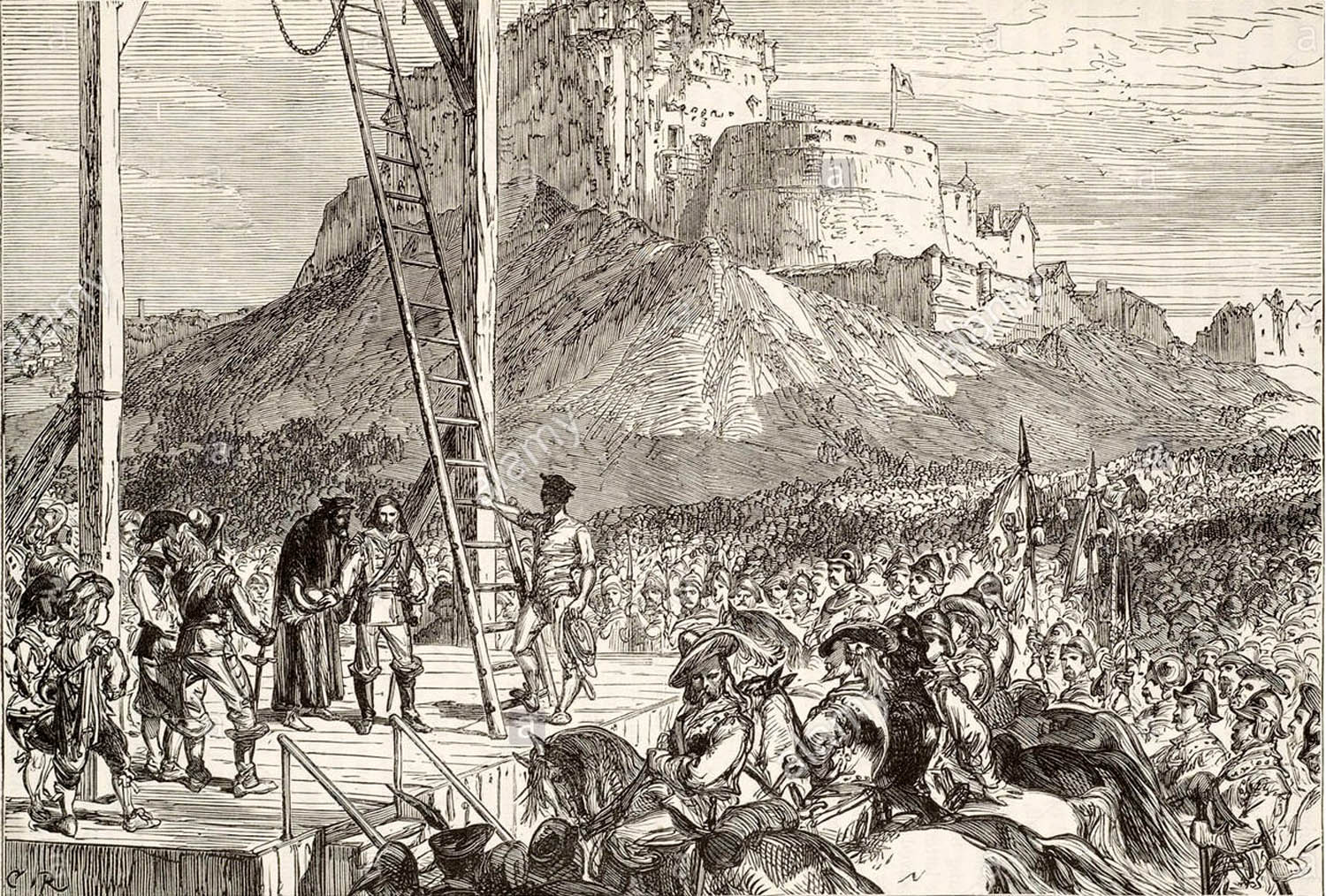
FACT 6. The word ‘Scaffolding’ appeared in English around the 1500s. At the time, it referred to a structure made of wood for the execution of criminals, or ‘scaffold’.
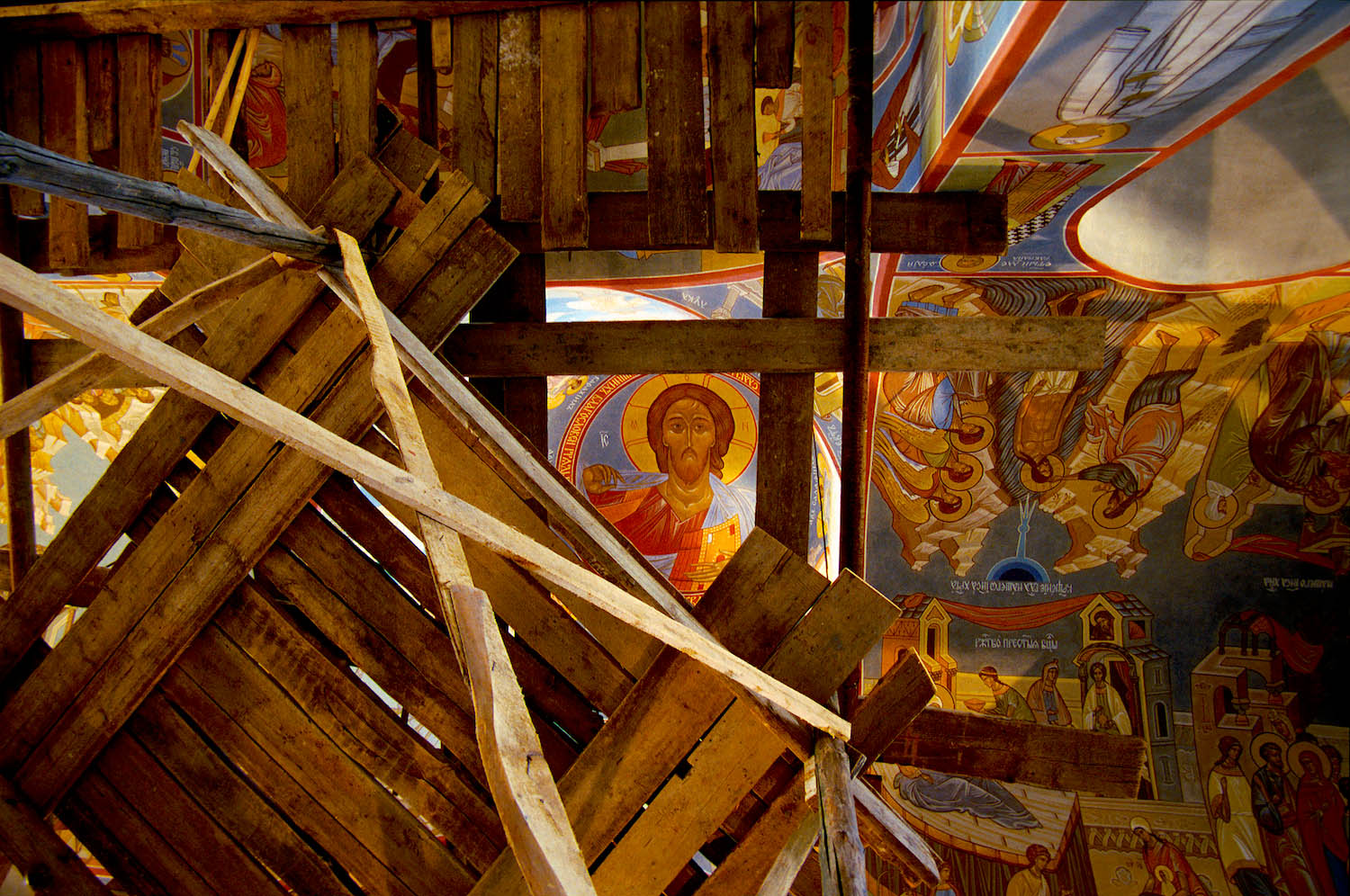
FACT 7. Scaffolding was actively used in Old Russian architecture. There was a separate scaffolder occupation in Russia as early as in the XI - XII centuries. At that time, scaffolding was called ‘strapping’ and the workers who set it up were called ‘strappers’.
FACT 8. Scaffolding played a key role in the construction of St Isaac's Cathedral in St Petersburg.
Scaffolding played a key role in the erection of the columns of St Isaac's Cathedral. The Cathedral is framed by granite colonnades, for which massive granite monoliths were prepared in the quarries of Püterlaks. Their transportation and installation required enormous effort and careful labor.
The columns, the tallest of which reach 17 meters and weigh 114 tonnes, were placed on the porticos even before the walls of the building were completed. This was possible thanks to special scaffolding 22 meters high, designed by engineer Agustín Betancourt and made by craftsmen D. Biling and the Stolyarov brothers.
The installation of the columns was a spectacular event, watched by Emperor Nicholas I and his family and foreign guests. The process of installing one column took only 45 minutes and involved 128 people.
48 columns were installed on the four porticoes of the cathedral, which was the most important stage in the construction of this majestic temple.
St Isaac's Cathedral, 1/16 scale model of scaffolding for installation of porticoes
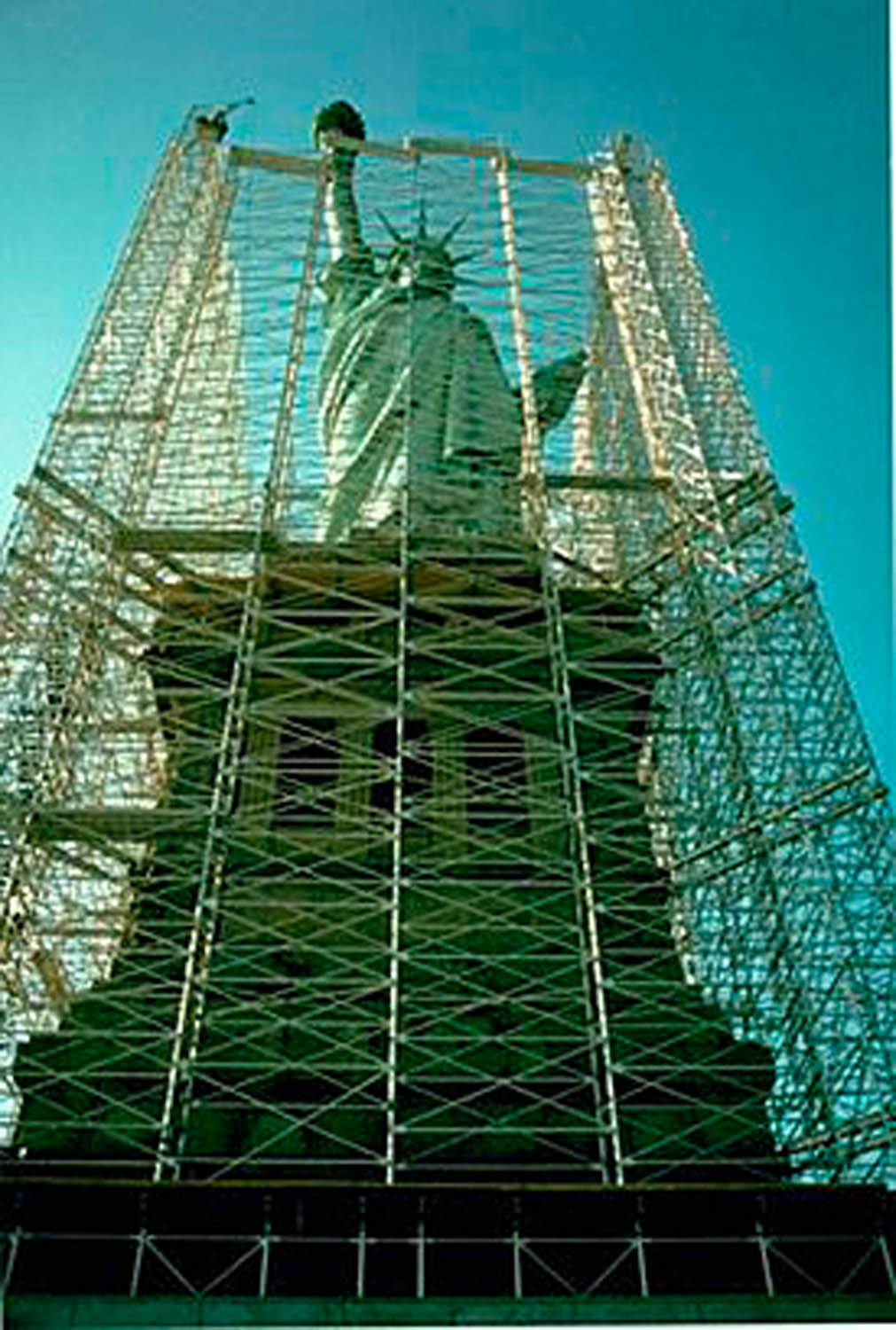
FACT 9. In the United States, some of the tallest and most complex scaffolding was erected in the mid-1980s during the restoration of the Statue of Liberty. The scaffolding was erected to a height of 320 feet (97.5 meters) and had to be placed as close to the statue as possible, but could not touch it.

Our expert will contact you soon